
If you’re asking yourself what to pack for a trip to Yellowstone National Park, we have you covered. A lot of thought needs to into planning a trip to Yellowstone, including your packing list.
We’ve split what to pack for a trip to Yellowstone into gear and clothing. If you read until the end, we have a Yellowstone Packing List PDF ready for use!

In a Hurry? Let us help!
In a hurry to plan and prep for your Yellowstone Road Trip!?
We’re here to help you figure it out!


What Gear to Pack for a Trip to Yellowstone
These essential items should be in your day pack at all times. The best way to have a good time in Yellowstone National Park is to come prepared.
Here’s a list of 10 gear items you need to have with you no matter what time of year you’re visiting Yellowstone.

Bear Spray
This is a necessity if you plan on doing any hiking in Yellowstone National Park. Bear Spray is a safety mechanism that is worth the extra money and extra weight. It’s a good idea to carry bear spray to protect yourself from black bears and grizzly bears inside the park.

Bear Spray can be purchased at any gear store you drive by on your way into the park. They’re also available for purchase at all of the visitor centers within the park. Bear spray cannot be brought on airplanes, even in checked luggage. If you’re flying, you’ll have to buy it upon your arrival.
Insect Repellent
Bug spray can mean the difference between a great trip and a not-so-enjoyable one. Insect repellent can come in the form of a spray or permethrin-treated clothing. A good combination of both are bound to have a successful outcome!

I always hike in long sleeves to keep the bugs off my arms if they’re out and about. Additionally, carrying a bug net helps to keep bugs out of my face if they’re really coming on strong. These two things combined with bug spray tend to do the trick!
Reusable Water Bottle
There are so many good options for reusable water bottles when hiking. Please use a reusable water bottle as opposed to creating more garbage with single-use plastic. There are places throughout the park where you can fill up.

One of the best things you can do for yourself as an outdoor enthusiast is invest in a reusable water bottle that you love. Nalgene bottles are great for lightweight, see-though options that also allow you to measure your liquids. Insulated water bottles such as a Hydroflask a an Artic are great when exploring in hot temperatures but are a little bit heavier and bulkier.
First Aid Kit
Cell phone coverage is spotty in Yellowstone at best. Cell service is practically nonexistent, so it’s important that you carry a first aid kit with you at all times. This first aid kit should be able to help you with basic band aid and nail clipper needs, but it should also include the items you would need to splint a limb or survive for a night or two if lost.

Purchasing a good first aid kit should be on your list of things to do before you Yellowstone trip if you don’t have one already. If you do, make sure it’s fully stocked prior to leaving for Yellowstone. It’s best practice to restock your first aid kit at the beginning of every season and before every hiking trip.
Sun Protection
Prevent heat stroke and sun-related illnesses and discomforts with sun protection. While temperatures in Yellowstone National Park are generally in the high 60s to low 70s in the summer months, the sun is often shining bright. In a lot of area, especially those that highlight hot springs and geysers, there isn’t always tree cover.
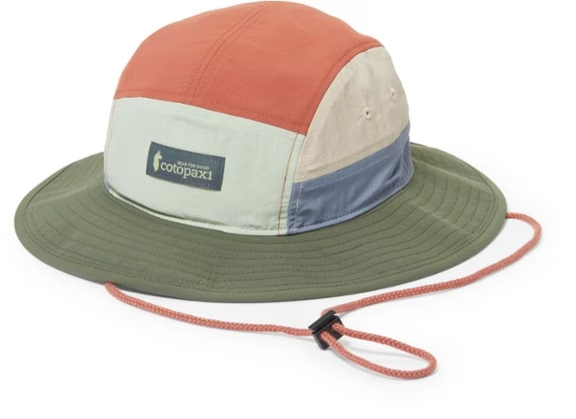
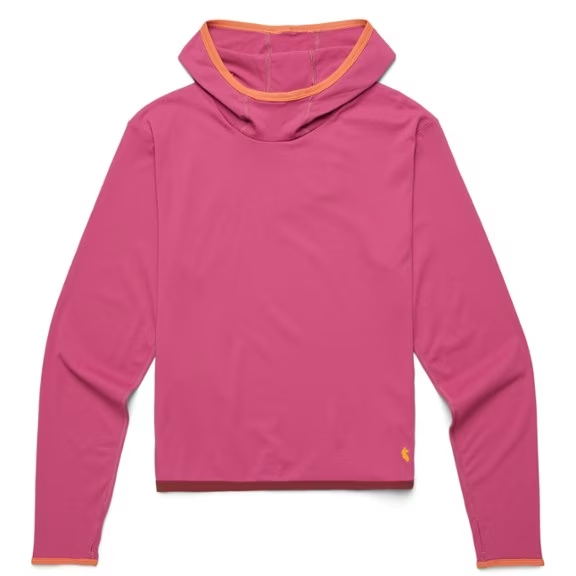
We recommend hiking in long-sleeved shirts to keep the sun off your arms, wearing a neck gaiter to protect your neck, and rocking a wide-brimmed hat to keep your face shaded. Lip balm with SPF and sun glasses are also a good idea! Try to bring a sun hat that you can snuggly secure to your head; mine flew off in Mammoth Hot Springs and landed in a boiling river… I lost one of my favorite hats that day!
Bathroom Kit
If you plan on venturing into the backcountry for any day hikes, you’re going to need a bathroom kit. Although all picnic areas and many trailheads have pit toilets for visitors to use, you might not have to go in that moment. When number one or number two hit on the trail, you’re going to want to make sure you’re prepared.
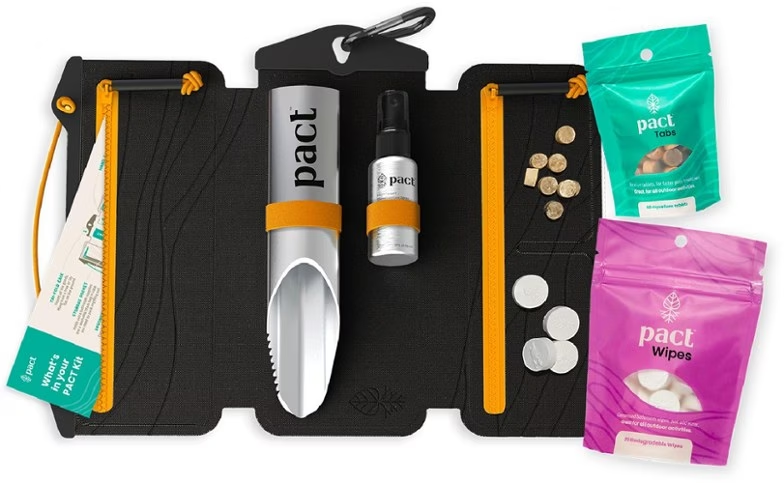
Create your own bathroom kit including toilet paper, a trowel, hand sanitizer, and something to pack out your toilet paper or purchase a pre-made bathroom kit. Please do not leave it out and about in this beautiful place. Going number two in the great outdoors varies greatly, but in Yellowstone it’s important that you travel 200 feet away from the trail, campsites, and water sources before digging a 6-8 inch deep cat hole that you will cover after doing your business.
Detailed Maps
When visiting National Parks, like Yellowstone and Grand Teton, you’ll want detailed maps. These maps will help you plan your road trip and navigate the trails. When you enter the park, the park rangers will give you a simple map of the park. Although these are great for general bearings, detailed maps are so much more useful!

We use our detailed National Geographic National Parks Maps to plan our full itinerary. Knowing where the trailheads are in relation to where you’re camping or entering the park is helpful in planning an efficient route. Additionally, with basic orienteering skills, our detailed maps help us navigate trail systems while we’re in the park.
Trekking Poles
A good pair of trekking poles will become your best friend on your Yellowstone vacation. If you’re planning on packing all of Yellowstone’s iconic sights, like Old Faithful, Fairy Falls, and geyser basins, into one trip, trekking poles will help you do it!

Trekking poles provide more stability while taking some of he stress off your lower limbs while hiking. If you’re going to be logging a lot of miles on your Yellowstone adventure, this is a piece of gear you want to have.
Binoculars
You need a pair of binoculars for your Yellowstone adventures. There’s wildlife everywhere, but sometimes you can’t see it with the naked eye! Additionally, it’s important to keep your distance from all wild animals for your safety and the safety of the wildlife.

Pack yourself a pair of waterproof, lightweight binoculars to help you catch incredible glimpses of Yellowstone’s wildlife! Known for having a variety of wild animals, black and grizzly bears, wolves, and big horned sheep are always lurking if you know where to look! Binoculars will help you spot them and enjoy them from a safe distance.
Day Pack
You need a day pack for all of the adventuring you’ll be doing! All of the above-mentioned gear items are what to pack for a trip to Yellowstone in your backpack. You want these items to fit comfortably in your backpack.


A great option for a comfortable day pack is the Gregory Jade for women and the Zulu for men. We love ours and they’re still doing their job ten years after purchase. If you have the ability to be fitted for your day pack at a local gear store, such as REI, we highly recommend you do!
What Clothes to Pack for a Yellowstone Trip
One of the most important things about packing for Yellowstone is knowing what to wear. With an average altitude of about 8,000 feet, these higher elevations can be cold, even in the warm summer months.
Packing the essential clothing items will greatly improve the mood of your trip. It’s tough to enjoy even the most beautiful views in the great outdoors if you’re cold, wet, and uncomfortable.

Extra Layers
Yellowstone National Park experiences cold temperatures even in the warm summer months. Although it may be warm and sunny during the day, the high elevation of the park can bring temperatures down to the high 30s at night.
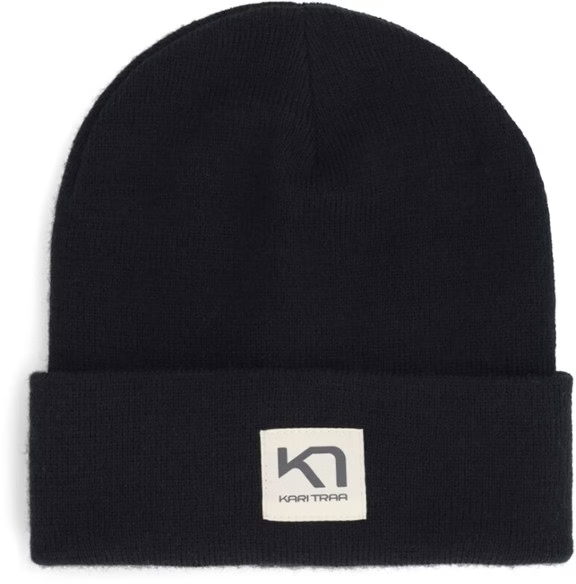

You need to pack extra layers, especially warmer layers. You’ll not only want them at night, but in the morning as well if you’re getting an early star to your day. A warm hat, fleece jacket, gloves, and hand warmers are all great things to bring even for a warm-weather visit.
Water Shoes
Water shoes are a necessity for water activities and showering. They’re what to pack for a trip to Yellowstone when you plan on swimming, boating, or using their shower facilities. Yellowstone Lake and Lewis Lake are both places where boating activities and swimming are not only a good idea, but a great way to experience Yellowstone National Park.

I prefer a multi purpose water shoe like Chaco sandals. I can hike, hang around camp, and participate in water activities in them comfortably! They’re even great for using public showers – nothing quite like a multipurpose shoe.
Rain Jacket
No matter where you’re going to spend time outside, you need to pack a waterproof jacket. Rain gear is a necessity when choosing what to pack for a trip Yellowstone. It allows you to continue to explore and enjoy the the beauty of the National Parks rain or shine!


Look for rain pants (these come in lengths!) and a rain jacket with an internal membrane and a repellent DWR outer layer. This is the key to waterproofness and true comfort in the outdoors. Water resistant pants and jackets are okay for a drizzle, but won’t keep you completely dry in heavy enough rain.
Wool Socks
Wool socks are a necessity for hiking and camping in Yellowstone. Wool breaths, which allows your feet to keep cool when it’s hot and stay warm when it’s cold. It helps control temperature and odor which every hiker definitely needs.
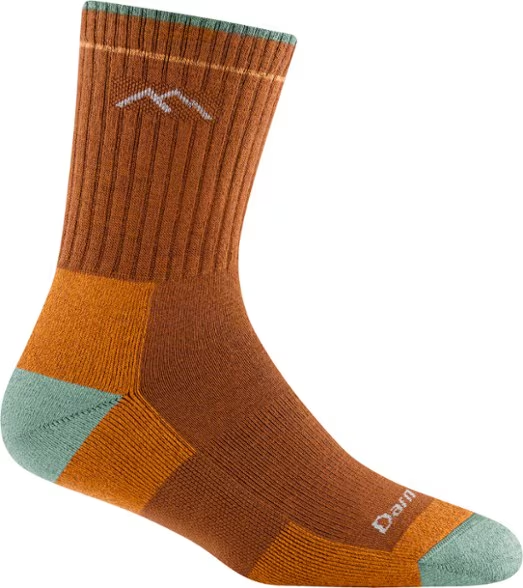
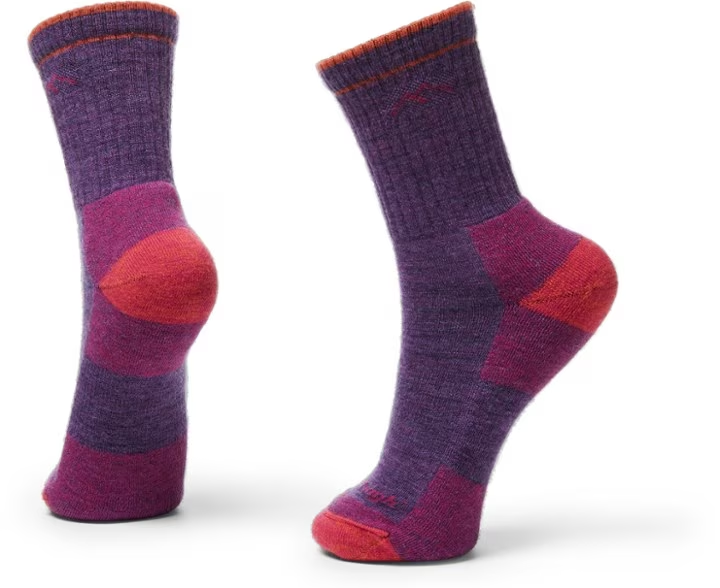
We have been wearing Darn Tough wool hiking socks for years. They make a handful of different styles, including micro crews and boot-length socks. We’ve never had a single complaint and they come in fun patterns!
Bathing Suit
If you plan on entering any water while you’re in Yellowstone, you’re going to need a bathing suit. Swimming in Yellowstone Lake or paddling on Lewis Lake are great ways to experience the park.


Although the water might be cold, you’ll want a bathing suit for these activities. Choosing a suit that’s comfortable and functional is key. Nani Swimwear is my go to for adventuring! Their two pieces and one pieces are both meant for an active lifestyle so I can enjoy my time without worrying about my bathing suit.
Warm Jacket
Don’t let the warmer summer months fool you. You will need a warm jacket to survive evenings and early morning in Yellowstone National Park. The daytime temperatures might be in the 60s and 70s, but overnight temps drop as low as mid 30s.


The best way to stay warm while remaining functional is to pack a down jacket. In the summer months, you can definitely get away with a light down jacket to keep out that chill in the early morning and again in the evening. If you run cold, consider a down jacket with high fill weight to make sure you’re comfortable.
Athletic Shoes (waterproof boots, sneaks, sandals)
Whether you plan on sticking to the boardwalks or hitting more uneven terrain you’re going to want a pair of athletic shoes. Waterproof boots are generally your best option as they provide great ankle support and foot protection. Hiking sneakers are also a great option if you plan on sticking to more flat trails. We recommend investing in a waterproof hiking sneaker to help keep your feet dry while adventuring.
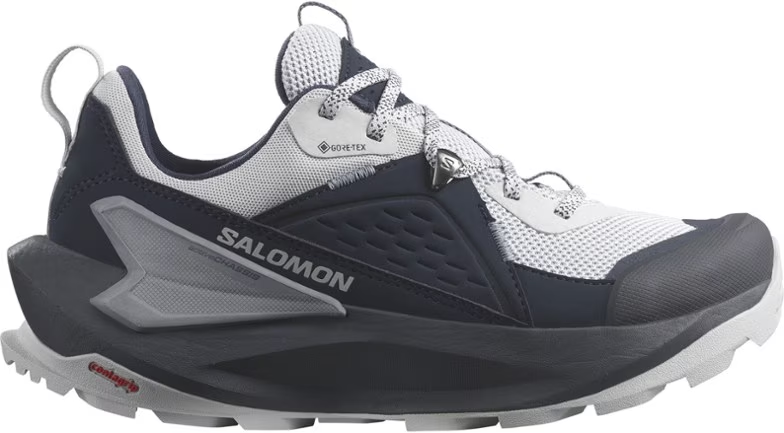
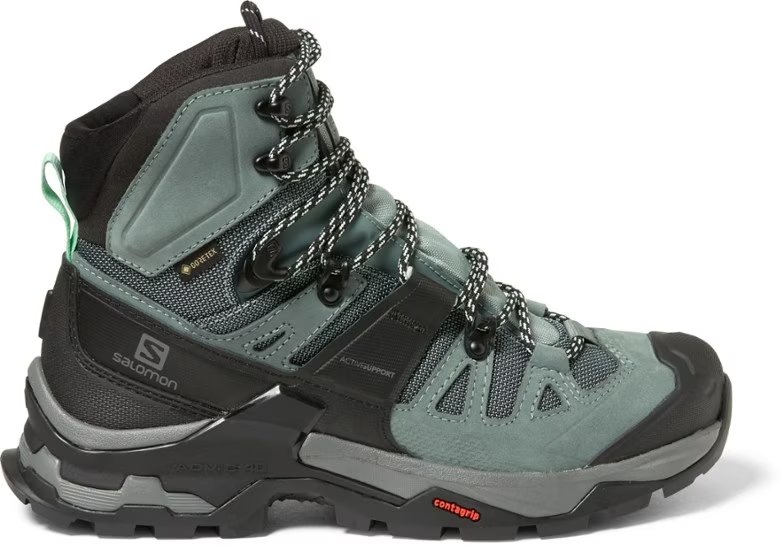
We’ve been hiking in Salomon’s exclusively for almost ten years now. When we’re expecting uneven, rocky terrain we wear the Salomon Quest 4 GORE-TEX Hiking boots. If we’re only doing some light hiking on more predictable surfaces, we’ll wear the Predict Hike Mids or the X Ultra 4 Hiking Sneaker.
The Right Clothing
Pack the right clothing for adventures. This includes hiking pants and shorts as well as long sleeve shirts and tank tops. Packing the right clothing is a bit of preference with a side of knowledge. Knowing what you’ll want to hike in is key – generally people choose to adventure in synthetic materials or merino wool. These materials are good at pulling moisture away from the skin and dry quickly.


Remember that temperatures vary greatly throughout the day; we recommend layering up and packing something for every weather possibility. When I camp and hike in the mountains, I always pack my down jacket, a vest, rain gear, and fleece. I might want to wear shorts and a t-shirt for the majority of a hike, but I’ll likely start and end the day in a handful of the previously mentioned layers.
Chill Camp Clothes
Make sure you pack clothes to hang around at camp in. I generally prefer these clothes to be cute and cozy. Fleece, Sherpa, and wool are my go to camp fabrics. Nothing beats putting on a clean camp outfit after a long day of adventuring.

Many of the layers you may have worn in the morning to start your day will be worn again at night around the campfire. My ultimate cozy chill camp outfit include fleece joggers, a sherpa top, and insulated camp slippers.
Complete Yellowstone Packing List
If you’re not sure what to pack for a trip to Yellowstone, use our downloadable packing list.
Our Yellowstone packing list includes all the hiking and camping gear you need, plus all the clothing items you should consider bringing for a comfortable trip!
When spending time in nature, I prefer to over pack and make sure I have everything I need to stay comfortable and, ultimately, safe. This packing list will help you pack everything you might need for your time in Yellowstone National Park.
Conclusion
Spanning over 3,000 miles and 3 states, Yellowstone National Park is an outdoor lovers paradise. Overflowing with wildlife, the coolest hydrothermal features, and endless views, you’ll want to make sure you’re perfectly packed to make the most of your time there.